
Science and Technology Meeting
Events
-
-
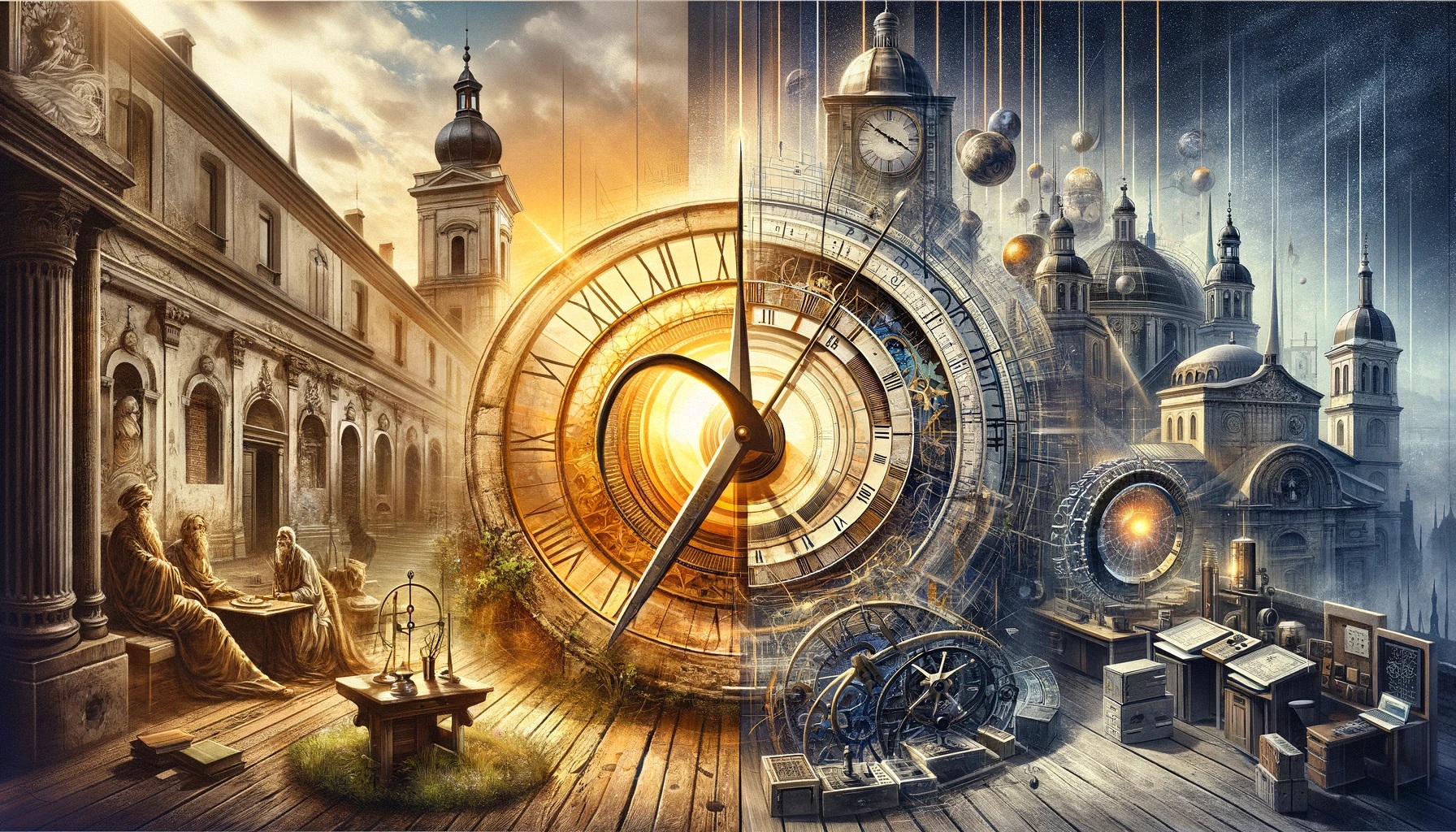
The History of Timekeeping: From Stonehenge to Strontium
Ever since the advent of agriculture, our ancestors needed a way to measure the passing of time; not just the time of day but, more importantly, the time of year[...]
-
-
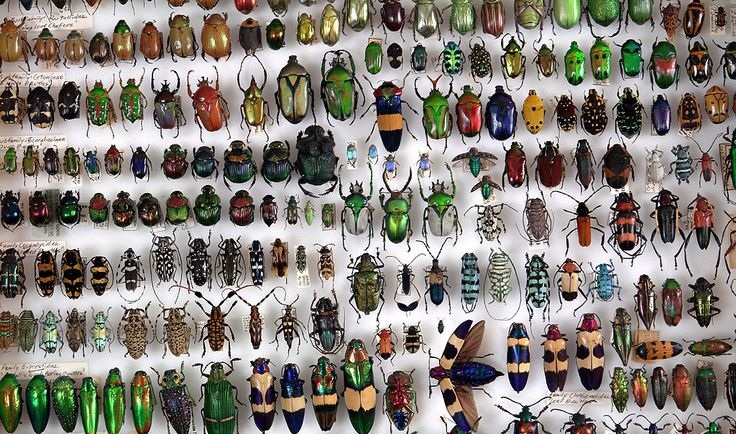
Wonders of Evolution
When, exactly 200 years ago in 1825, the young Charles Darwin arrived in Edinburgh to train to be a doctor, little could he have imagined that, just six years later,[...]
-
-
Understanding Antibiotic Resistance: Background, bugs, biomes and biofilms
While most people are aware of the huge concerns about antibiotic resistance, there are often misunderstandings regarding what it means and how it works. In this talk – the first[...]
-
-
Tackling the Challenge of Antibiotic Resistance, One Step at a Time
Armed with a deeper understanding of the drivers of antibiotic resistance, covered at last month’s meeting*, Beryl Oppenheim (York u3a) will now explore the challenges faced in preventing it or[...]
-
-

The Ig Nobel Prizes: 2025 edition
For over a century, the ultimate recognition of ground-breaking scientific research has been the award of a Nobel Prize. But there’s another series of annual awards, less prestigious but no[...]
-
-
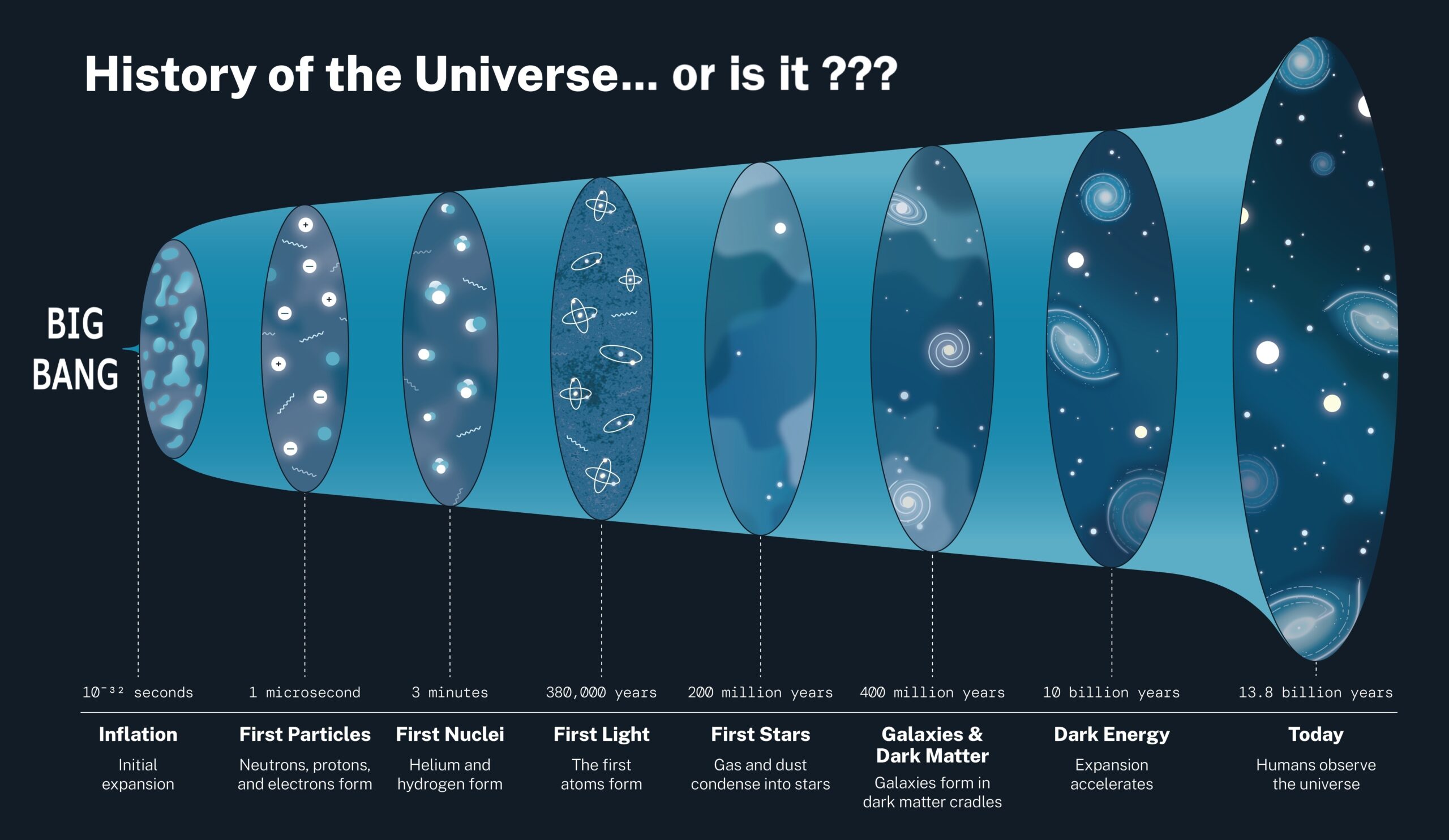
Was there a Big Bang?
In 1929, Edwin Hubble established a correlation between galactic redshift and distance. For nearly a century, the prevailing scientific consensus has attributed this redshift to cosmic expansion, forming the foundation[...]
-
-
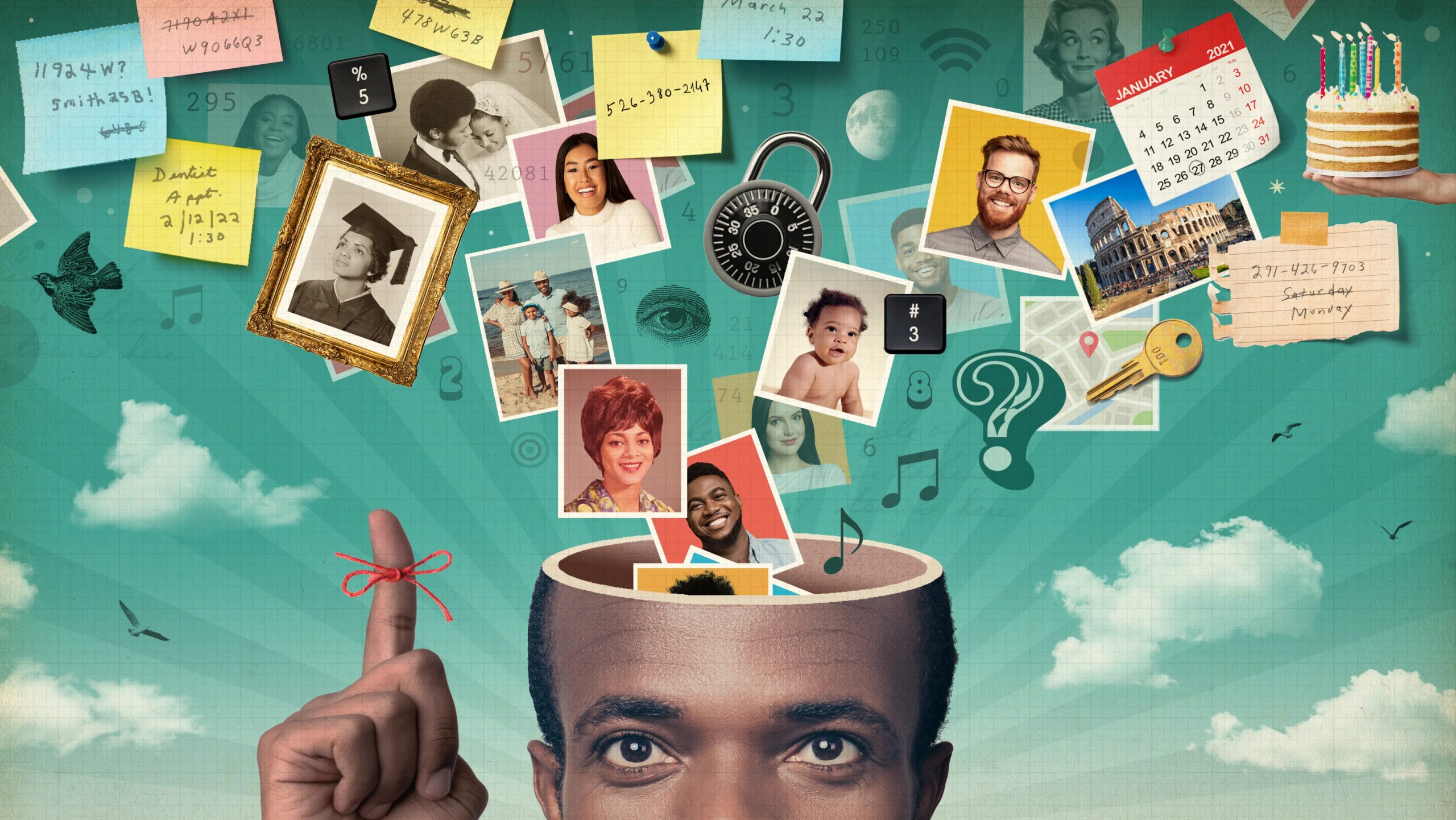
Mysteries of Memory
Memory: What and where is it, how does it work, what can we do to improve it, and why is it sometimes so tantalisingly elusive? In this intriguing, interactive presentation, Sue[...]
-
-
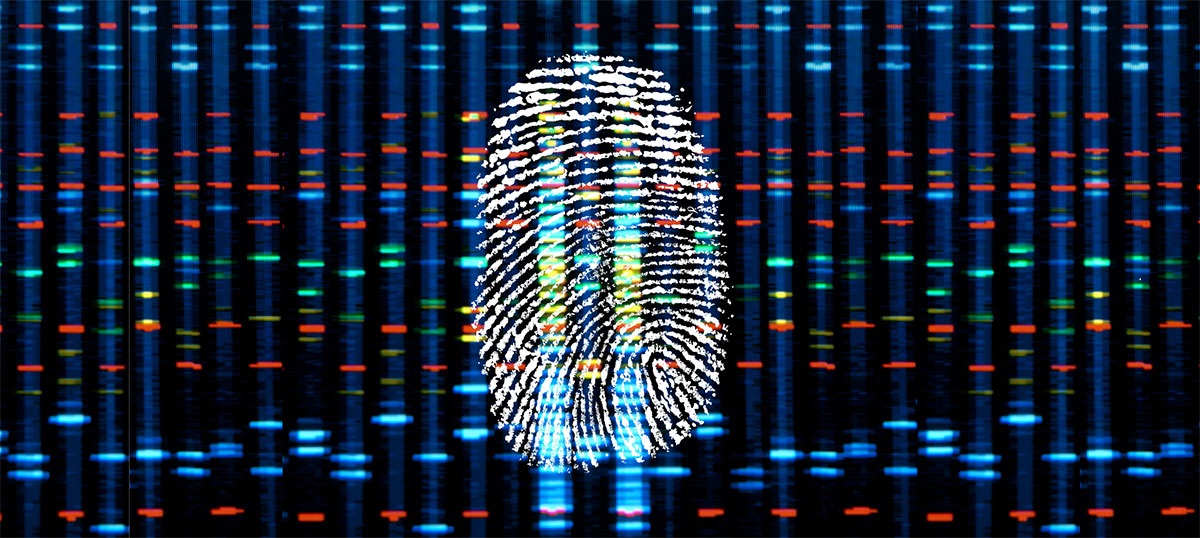
The Man Who Caught a Million Criminals: The Invention of DNA Fingerprinting
This month, we welcome guest speaker Dr Ian Goodall, to talk to us about the invention of DNA fingerprinting, and the British scientist who pioneered the technique, back in the[...]
-
-
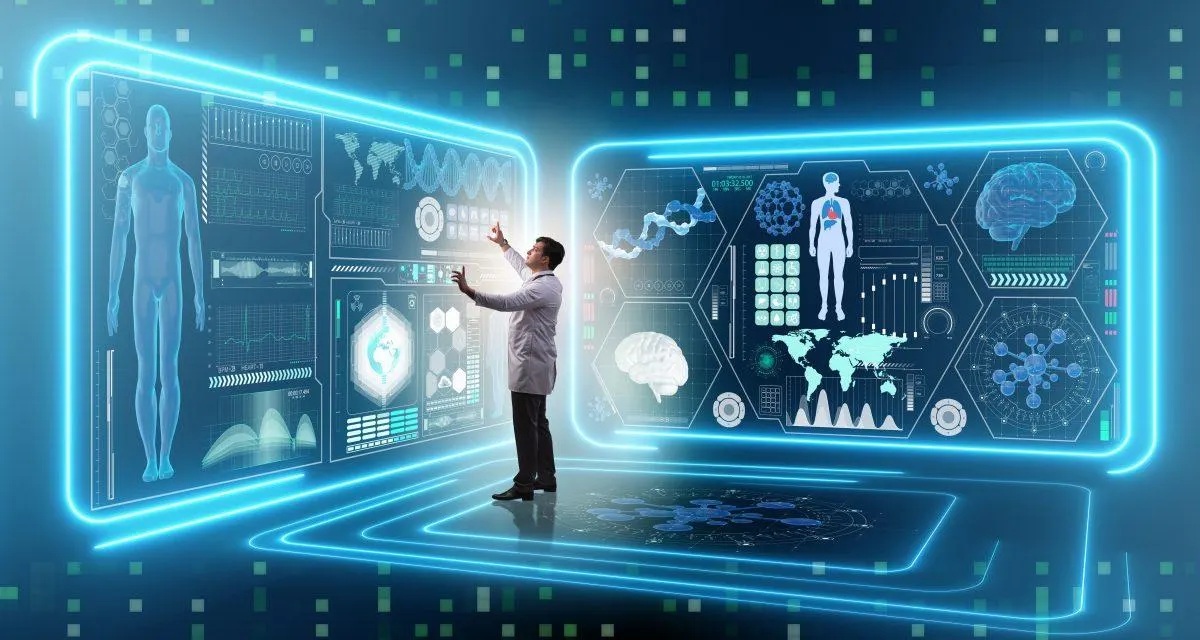
Artificial Intelligence in Healthcare
Over the next decade, AI is set to transform healthcare by introducing machines with human-like intelligence that operate with greater speed and cost-efficiency than traditional methods. This technological shift spans[...]
-
-
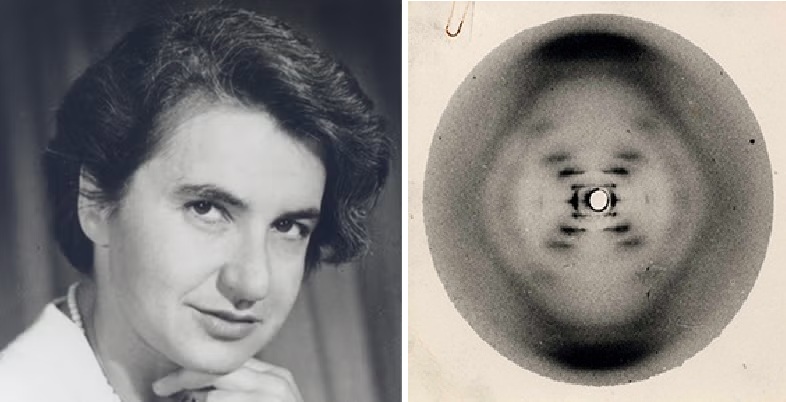
Rosalind Franklin: The Triumph and the Tragedy
In 1953, the scientific world was abuzz with the discovery of the structure of DNA by James Watson & Francis Crick, but back then, few were aware that it was[...]
-
-

‘Forever’ Chemicals
‘Forever' Chemicals, otherwise known as PFAs, are a large group of synthetic organic compounds that have been around – literally - since the 1930s, when they were discovered, quite by[...]
-
-

Before Penicillin: Treating Infections in the ‘Olden Days’
Few would argue that the discovery of penicillin, and the antibiotics revolution that followed, was one of the most far-reaching breakthroughs of twentieth-century medical science. But infection treatment itself has[...]